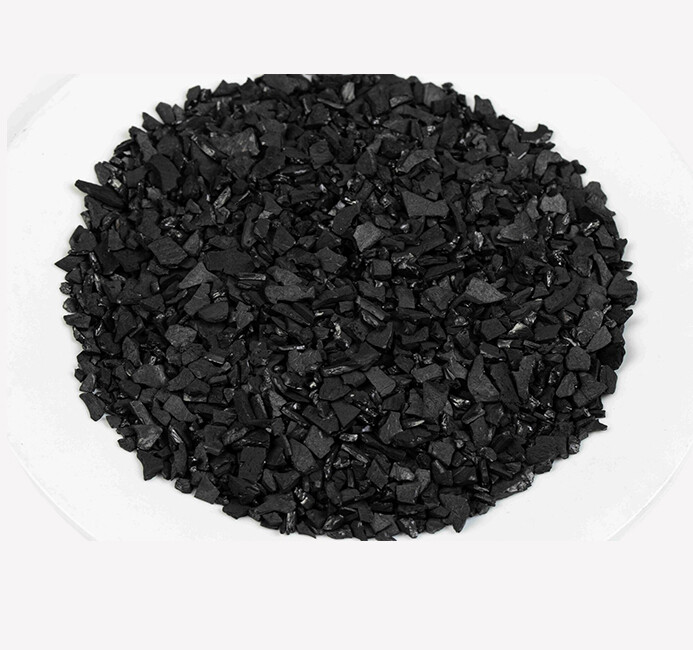
Five major challenges in water treatment processes addressed by activated carbon
Water pollution is more severe than many realize, and its treatment cannot be delayed. Industrial water shortages and household water scarcity are pressing concerns. Activated carbon products, particularly fruit-shell activated carbon, play a crucial role not only in industrial applications but also in ensuring safe tap water in daily life. Water pollution affects not only industrial development but also human health. In this sense, protecting water resources is, in effect, protecting ourselves.
As a result of the shortage of industrial water resources, We have seen the rise of charcoal purifying products, with fruit-shell activated carbon standing out for its important role in treating contaminated water to meet industrial standards. This product has significant utility in water purification, though many other products also contribute substantially in this area.
Key considerations in fruit-shell activated carbon applications:
Activated carbon tanks and carbon layer thickness
Fruit-shell activated carbon tanks are commonly made from steel (with anti-corrosion coating), epoxy resin, or reinforced concrete. Steel-sealed activated carbon beds offer strong pressure resistance. The thicker the activated carbon layer, the better the adsorption performance. If the carbon layer is too thin, the adsorption capacity of the bottom layer may not be fully utilized, increasing the risk of leakage.
Particle size (granular activated carbon)
Smaller particle size generally improves filtration efficiency. Reports under conditions of a 1.5 m filter bed and a filtration rate of 300 m/d show that reducing particle size to half its original diameter can roughly double the filtration lifespan (to odor leakage). However, smaller particles increase filtration resistance and energy costs.
Filtration rate
Higher filtration rates reduce the number of days of continuous filtration, showing an inverse linear relationship. Conversely, higher rates require more activated carbon material.
Placement of granular activated carbon in the treatment train
Granular activated carbon must be separated from water after filtration. Therefore, it is advantageous to place granular activated carbon after chlorine disinfection and other treatment steps that remove impurities, thereby reducing the carbon bed load. In principle, granular activated carbon filtration can be placed after all other treatment steps except chlorination disinfection.
Regeneration of granular activated carbon
Granular activated carbon can be regenerated, which lowers cost and reduces sludge production. Regeneration is an important part of granular activated carbon water treatment.
Human life cannot thrive without water, yet the portion of Earth’s water available for our use is relatively small. Therefore, recycling and efficient use of water resources has become a major topic in contemporary society. The rapid growth of fruit-shell activated carbon water treatment industries reflects this trend, and their development significantly improves our country’s water resource utilization rate.