In modern life, the air pollution in homes caused by harmful chemicals such as formaldehyde, benzene, and ammonia has become one of the biggest threats to our health. These pollutants are mainly released from building and decoration materials, including paints, furniture, plywood adhesives, and coatings used during renovation.
When moving into a new apartment or house, renovation and furnishing are necessary steps. Yet, even if “eco‑friendly” or green materials are used, indoor air purification is still required before living inside. This is because newly decorated homes continue to emit toxic substances — and formaldehyde is the most persistent among them.
Formaldehyde originates primarily from phenol‑formaldehyde resin and urea‑formaldehyde resin, which serve as common adhesives in wood furniture and composite boards. Over time, these resins undergo chemical decomposition, gradually releasing formaldehyde gas into the air.
This slow release process explains why formaldehyde emissions last for several years — a problem often called long-term indoor VOC (volatile organic compound) pollution.
Among all indoor pollutants, formaldehyde is the most dangerous, as it is classified by the WHO and IARC as a confirmed human carcinogen. Long-term exposure may lead to immune dysfunction, respiratory irritation, and chronic damage to vital organs. For children, the elderly, and pregnant women, the health effects can be much more serious.
To effectively combat air pollution after renovation, activated carbon for formaldehyde removal is considered one of the most efficient and eco‑friendly solutions.
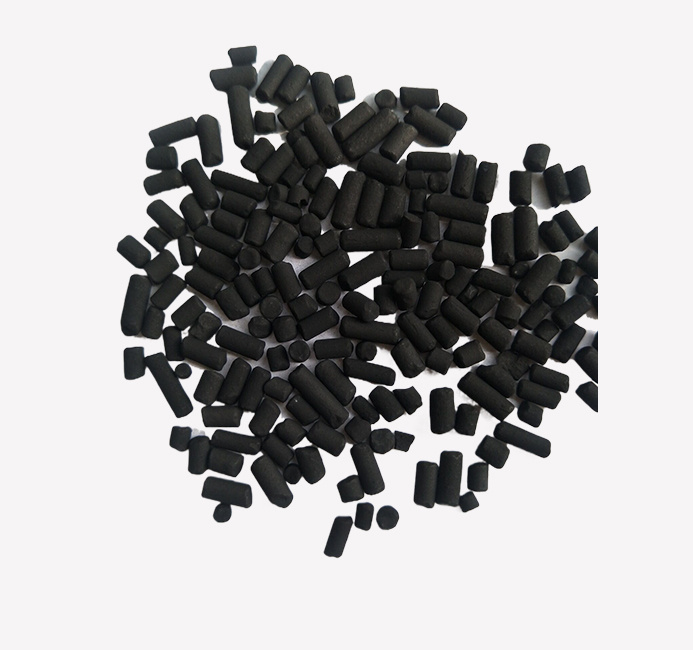
Activated carbon is a highly porous, carbon‑based material widely used in air purification systems and VOC filters. With its extensivemicroporous structure and large surface area, it exhibits powerful adsorption ability — easily trapping formaldehyde, benzene, ammonia, and other indoor volatile organic compounds (VOCs).
This is why activated carbon air purifiers and gas masks rely on it to absorb harmful chemicals and odors.
When choosing activated carbon granules, smaller particle sizes are generally preferred, as they provide stronger adsorption efficiency due to a greater total surface area.
For newly renovated homes, it’s recommended to use one bag of activated carbon (about 1 kg per square meter) for effective formaldehyde and VOC removal. In addition to formaldehyde, activated carbon also captures benzene, ammonia, and other toxic gases, all while ensuring no secondary pollution — making it a safe and natural method for improving your home’s air quality.
During formaldehyde adsorption, activated carbon also absorbs moisture molecules in the air — especially in humid environments after renovation. Since water molecules are larger than formaldehyde molecules, they can block the pores of the carbon, reducing its adsorption performance.
To maintain continuous performance, it’s recommended to expose the activated carbon to sunlight periodically. The purpose is not to release adsorbed formaldehyde, but to evaporate moisture, keeping the pores open for ongoing VOCs and formaldehyde removal.
By doing this, activated carbon remains active and can continuously purify the air until it reaches full saturation.
Using high-quality activated carbon for formaldehyde removal is one of the most effective and affordable ways to achieve clean indoor air. Whether you’re moving into a freshly renovated home or improving an existing space, activated carbon provides a natural, chemical‑free solution for long‑term indoor air purification.
With regular maintenance, activated carbon continues to protect you and your family from formaldehyde and other VOC pollutants, helping you create a healthier, safer living environment.