News

The Role and Advantages of Activated Carbon in Water and Air Purification

2025-12-08

1. What Is Activated Carbon?

Activated carbon is an allotrope of carbon, just like diamond and graphite.
The key difference lies in its highly developed pore structure and huge specific surface area, created through special processing.

Thanks to this unique porous structure, activated carbon can effectively adsorb:

  • Pigments and color-causing substances
  • Organic pollutants
  • Toxic and harmful gases
  • Certain heavy metal ions (with specific treatment)

Therefore, activated carbon is widely used for food decolorization, drinking water purification, industrial wastewater treatment, air purification, and odor removal.

2. Raw Materials and Manufacturing Process of Activated Carbon

Activated carbon is typically produced from high-carbon, low-impurity raw materials that are carbonized and activated at high temperature. Common raw materials include:

  • Charcoal and wood residues
  • Various fruit shells (e.g. apricot shells, peach shells)
  • Coconut shells
  • High-grade bituminous coal or anthracite

The manufacturing process generally involves:

  1. Carbonization
    Heating the raw materials under an oxygen‑limited condition to remove volatile components and obtain a carbonized product.

  2. Activation
    Using steam, CO₂ or chemical agents at high temperature to develop a well‑connected pore structure, greatly increasing the specific surface area.

  3. Crushing and Sieving
    Crushing and classifying the activated carbon into powder, granular or pellet forms to meet different application requirements.

  4. Washing and Drying
    Removing ash and impurities to ensure the purity and safety of the final product.

By optimizing raw materials and process parameters, manufacturers can produce specialized activated carbon for water treatment, air purification, food processing, pharmaceutical applications, and more.

3. Application of Activated Carbon in Water Treatment

In some regions with relatively poor source water quality, tap water may exhibit the following problems:

  • High residual chlorine, resulting in a strong chlorine smell
  • Elevated levels of dissolved organic matter
  • Noticeable odor, color and turbidity

In such cases, using activated carbon for water purification is an effective way to improve water quality.

3.1 Adsorption Mechanism of Water Purification Activated Carbon

Water purification activated carbon works through both:

  • Physical adsorption
    The highly porous structure and large surface area trap organic molecules, odor-causing substances and other contaminants in the pores.

  • Chemical adsorption
    Functional groups on the surface of activated carbon can interact chemically with certain pollutants, enhancing removal efficiency.

With these combined effects, activated carbon can:

  • Remove residual chlorine and unpleasant odors from tap water
  • Adsorb various organic contaminants
  • Reduce color and improve the taste of water
  • Help remove certain chemical pollutants

As a result, activated carbon significantly improves the sensory quality and safety of domestic water.

3.2 Activated Carbon Alone Is Not Enough for Direct Drinking

It is important to emphasize:
Water filtered only by activated carbon is generally not recommended as the sole, long‑term source of drinking water.

Main reasons:

  1. Activated carbon is primarily effective for organic compounds, chlorine, taste and odor, while its ability to remove dissolved salts, bacteria and viruses is limited.
  2. Once activated carbon becomes saturated, if not replaced in time, it may cause secondary pollution due to bacterial growth or desorption of previously adsorbed contaminants.

For this reason, most household water purifiers adopt a multi‑stage filtration system, for example:

  • Pre‑filtration (e.g. PP sediment filter) →
  • Activated carbon filtration (for chlorine, odor and organic compounds) →
  • Reverse osmosis (RO) membrane or ultrafiltration for deep purification

Only when combined with reverse osmosis or other fine filtration technologies can the treated water more reliably meet drinking water standards.

4. Replacement Cycle and Maintenance of Activated Carbon Filters

Activated carbon is a consumable filter media. During operation, its adsorption sites are gradually occupied until the medium becomes saturated. If the filter is not replaced in time, the following issues may occur:

  • Significant decrease in adsorption efficiency
  • Microbial growth inside the filter
  • Secondary pollution caused by the release of adsorbed contaminants

Therefore, the service life of an activated carbon filter should be determined based on:

  • Raw water quality (residual chlorine, organic content, turbidity, etc.)
  • Daily water consumption and usage patterns
  • Filter size, type and activated carbon loading
  • Design specifications of the water treatment system

For typical household water purifiers, the replacement interval for activated carbon cartridges is usually 3–12 months, depending on manufacturer recommendations and actual water quality.

Practical suggestions:

  • Regularly monitor changes in odor, taste and flow rate of the treated water. Any abnormality may indicate that the filter needs inspection or replacement.
  • Follow the user manual and professional guidance to establish a routine maintenance and replacement schedule.

5. Conclusion

  • Activated carbon is a carbon material with extremely large specific surface area and well‑developed porosity, providing strong adsorption capacity.
  • With proper raw material selection and manufacturing processes, it can be tailored for water purification, air purification, food processing and other applications.
  • In tap water treatment and household water purifiers, activated carbon effectively removes odor, residual chlorine and part of the organic pollutants, significantly improving water quality.
  • However, activated carbon should not be used as the only purification step for direct drinking water; it needs to be combined with RO membranes or other fine filtration technologies to better meet drinking water standards.
  • As a consumable medium, activated carbon should be replaced regularly according to water quality and usage, to avoid performance degradation and secondary contamination.

For more information about our water purification activated carbon products, technical specifications or customized solutions, please feel free to contact our sales and technical team.
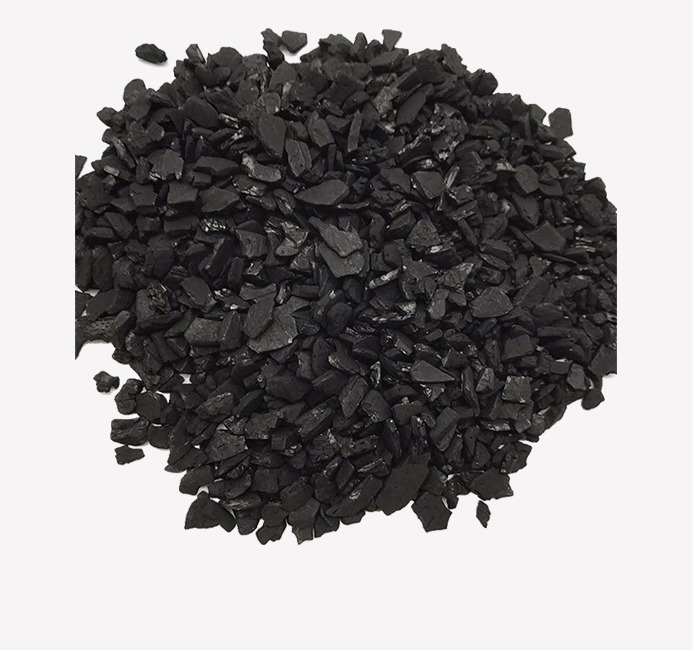
Coconut-Shell-Activated-Carbon02

Home Tel Mail Inquiry